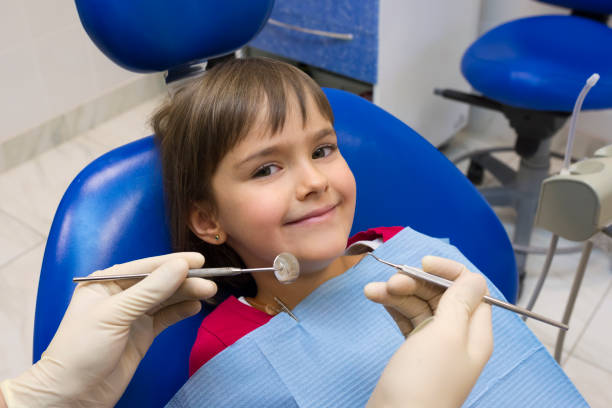
Malocclusion is usually caused by an imbalance in the shape or size of the jaws. For example, if a child has a very small jaw, all the teeth will not erupt evenly.
The most common causes of malocclusion are:
1. Genetic factors
People can inherit structural features of the maxillofacial system from their parents: the size and shape of teeth and jaws, congenital absence of certain teeth, and changes in the eruption pattern of teeth (for example, when a premolar erupts where a canine tooth might, and vice versa).
2. Bad habits in childhood
Thumb sucking, prolonged use of a pacifier, and biting of the lips or objects can deform the teeth and jaw, especially before the age of 5.
3. Nasal breathing problems
Children who constantly breathe through their mouths due to chronic runny noses, adenoids, or allergies may have problems with the development of the upper jaw and tongue position, which also affects the bite.
4. Poor nutrition
Children today are less likely to chew hard foods (e.g., raw vegetables, fruits, and chunks of meat). Soft foods do not stimulate the development of the chewing muscles and jaws, which can lead to underdevelopment.
5. Early removal of baby teeth
Premature loss of baby teeth without proper monitoring can lead to the displacement of permanent teeth and, as a result, the development of a malocclusion.
Timely diagnosis will help avoid complex anomalies and maintain a healthy smile for your child’s entire life.
WHY IS IT NECESSARY TO CORRECT A CHILD’S MALOCULAR BITE?
A malocclusion is not only an aesthetic problem but also a serious health risk. If left uncorrected, the following complications may arise:
Chewing Problems
With a malocclusion, food is poorly chewed, which increases the load on the stomach and can lead to gastrointestinal diseases.
Jaw and Head Pain
Uneven pressure on the teeth causes strain on the temporomandibular joint, which manifests as pain, clicking in the joint, and headaches.
Gum (Periodontal) Disease
A malocclusion can lead to exposed tooth necks, tooth mobility, and tooth loss due to the progression of periodontal disease.
Poor Hygiene
Crowding or misaligned teeth makes it difficult to brush them properly. This contributes to plaque accumulation, cavities, and tartar.
Here’s an edited and consolidated version based on your materials – perfect for an informational article or social media post:
ORTHODONTIC ACCESS PROBLEM IN SLOVENIA
As of 2025, Slovenia’s orthodontic care system is in serious crisis. Waiting lists for first orthodontic appointments are staggering – approximately 33,000 people are waiting.
Average wait time:
Zelo hitro – 263 days (~9 months)
Hitro – 1,489 days (~4 years)
Redno – 1,835 days (~5 years)
Even in urgent cases, patients are forced to wait almost a year, which is critical for children, as orthodontic treatment is most effective during the period of active jaw growth.
CONSEQUENCES OF DELAYED TREATMENT:
Progression of malocclusions, requiring more complex and expensive interventions in the future.
Chewing and speech impairments, headaches, gastrointestinal problems.
Psychoemotional difficulties, decreased self-esteem due to changes in appearance.
Decreased oral hygiene, increased risk of caries and gum disease.
Conclusion:
The current system needs reform – from increasing the number of specialists to greater involvement of the private sector.
A child’s health cannot wait 5 years.
Otrodontist Anna Davidova