

In the 21st century, the world has become extremely mobile. What required weeks of travel a few decades ago now takes just a few hours. In one day, a person can wake up in Europe, have lunch in Asia, and watch the sunset on another continent. The availability of air travel, simplified visa regimes, and the development of tourist infrastructure have made international travel a normal part of the lives of millions of people.
However, along with freedom of movement, medical responsibility is also growing. Active global mobility contributes not only to cultural exchange and economic development, but also to the rapid spread of infectious diseases. Changing climate zones, contact with unfamiliar microorganisms, new eating habits, and local sanitation create an additional burden on the traveler’s immune system.
Modern medicine considers travel not only as a social phenomenon, but also as an important epidemiological factor. Tourist flows form new routes for the circulation of pathogens, and infections can travel thousands of kilometers faster than their clinical manifestations appear.
That is why the issue of infectious diseases in travelers is becoming particularly relevant today – both for doctors and for the tourists themselves.
A vacation should end with photos of the sunset and a little nostalgia, not with a temperature of 39 ° C and a search for an infectious disease specialist. But statistics are stubborn: from 20 to 70% of travelers encounter one or another infectious problem.
Why does this happen? It’s simple: the immune system is a homebody. It knows “its” microbes perfectly, but in the tropics it suddenly finds itself visiting a completely unfamiliar microflora.
Let’s analyze which infections most often lie in wait for tourists and how to minimize the risks.
Traveler’s diarrhea – a “classic of the genre”
If there was a “top 1 souvenir” from travel, it would be this.
Causes:
Most often – enterotoxigenic strains of E. coli. Less common – salmonella, shigella, campylobacter, noroviruses, giardia.
Why does it occur?
street food
ice in drinks
poorly washed fruit
tap water (even “a little to brush your teeth”)
Symptoms:
watery diarrhea, abdominal cramps, nausea, sometimes fever.
What is important to remember:
Most often the disease is self-limiting. The main thing is rehydration.
Antibiotics are not needed by everyone, but only in severe cases and according to indications.
💡 Humorous life hack: if you doubt whether you can eat it – most likely, you can’t.
Mosquito bite fevers: when the “romance of the jungle” ends with chills
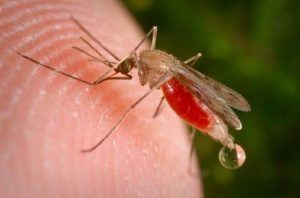
A mosquito in the tropics is not just an annoying soundtrack to a vacation.
Main infections:
malaria
dengue
chikungunya
Zika virus
Malaria is a potentially fatal infection caused by Plasmodium.
Dengue is a viral infection with severe aches (“bone-breaking fever” – the name speaks for itself).
Alarm signal: any fever after returning from the tropics = a reason to urgently
see a doctor and report the trip.
Prevention:
● DEET repellents
● closed clothing
● mosquito nets
● malaria chemoprophylaxis (as prescribed by a doctor)
Yes, mosquitoes love everyone equally. But prevention is only disciplined.
It should be remembered that in countries that are not endemic for malaria, there are no drugs for treatment. They are not purchased, so you can run into a problem.
Viral hepatitis A and B: the liver also travels.
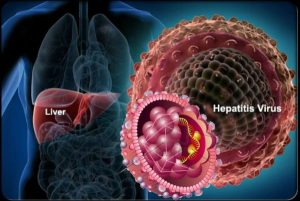
Hepatitis A is a typical “disease of dirty hands”. It is transmitted through water and food.
Hepatitis B is through blood and biological fluids (medical procedures, tattoos, unprotected contact).
Symptoms can be non-specific: weakness, nausea, jaundice of the skin.
The main good news is that there are effective vaccines.
And yes, a vaccine is much more pleasant than jaundice in the midst of a vacation.
Respiratory infections: the plane as an accelerator of the epidemic
Airplanes, cruises and festivals are ideal places to exchange not only impressions, but also viruses.
Most common:
flu
COVID-19
adenoviruses
bacterial pneumonia
Risk factors:● crowding● climate change● fatigue● decreased immune defense
Prevention is banal, but effective:
vaccination
hand hygiene
reasonable sleep, not “excursion until 3 am + flight at 6 am”
Contact with animals: a cute photo can become a problem
Monkeys, street dogs, exotic animals – all this looks touching.
But a bite can lead to rabies – a disease with almost 100%
fatality without timely post-contact prophylaxis
The rule is simple:
Do not feed. Do not pet. Do not take pictures “hugging”.
If a bite occurs:
Immediately wash the wound with soap and water
Urgently seek medical help
Who is at high risk?
children
elderly
pregnant women
patients with chronic diseases
immunocompromised individuals
For them, preparation for the trip is especially important.
How to prepare for a safe
trip?
✔ Consult a doctor 4–8 weeks before the trip
✔ Clarify the epidemiological situation of the region
✔ Get recommended vaccinations
✔ Prepare a first aid kit (oral rehydration solutions, antipyretics,
antiseptics)
✔ Get insurance
Main
traveler’s rule
If after returning you have:
fever
diarrhea for more than 3 days
rash
jaundice
pronounced weakness
– be sure to inform your doctor about your recent trip. This significantly speeds up the diagnosis.
To summarize:
Microbes do not read guidebooks, but they make good use of tourist flows.
The good news is that most infections in travelers are preventable.
The bad news is that prevention is not as “Instagram-friendly” as a beach in Bali.
But between a spectacular photo and health, you should still choose the latter.
And then you will only bring back memories from your vacation – without the bacterial bonus.
Infectious disease doctor Kateryna Sora